A Masters Moment

It is April 9, 2026, 5:48 a.m. The temperature is 47º—cool for a spring morning in Georgia. It is still dark; the sun won’t rise for another hour. My cell phone is locked in my car, where it will remain untouched for the next 12 hours. I stand in a parking lot surrounded by thousands of visitors from around the world. Many carry folding green chairs. Some wear golf attire—much of it green. Others, optimistic about the 75º afternoon ahead, sport Bermuda shorts, sundresses and straw hats. Everyone is chatting, exchanging stories of where they’re from and how they arrived here. For this moment, we are bonded strangers, waiting for the gates of Augusta National Golf Club to open. The 2026 Masters Tournament is about to begin.

Attending the Masters has long been a bucket-list dream. Years ago, my husband and son brought me back a hat from Augusta—appreciated, but not the same as being here. Now it is my turn. With my phone locked away, I feel free, unencumbered, and ready for the day’s adventures. At 7 a.m., the gates open and the crowds stream in.

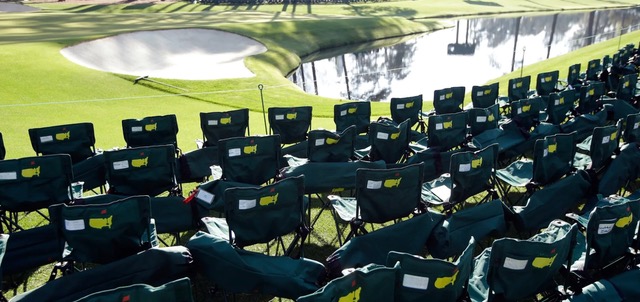
My friend and I are giddy, but we need to focus. First, we secure a spot for our chairs behind the 16th green, marking them with bandanas for easy identification. Then we set off across the quiet course, walking backward from 16 through Amen Corner—the famed stretch of holes 11, 12, and 13, where championships are won and lost. In the early morning stillness, without golfers or crowds, Augusta National reveals its full beauty: immaculate fairways, vibrant azaleas, and iconic landmarks we have seen on television. We continue toward the clubhouse, watch tee-offs at holes 1 and 2, then follow some of our favorite players. We stop briefly at Founder’s Circle for the day’s only photo—a digital memento we’ll retrieve later. (Note: the photos in this blog were found online and have been included to add color.)

The Masters stands alone as the only major sporting event with a strict ban on phones, cameras, and electronic devices. Violations can result in removal or even a permanent ban. In their place, patrons can use free pay phones—though we remain happily out of touch all day. This absence of technology transforms the experience. People engage face-to-face, fully present with one another and their surroundings.

Attending the Masters feels like stepping into a bygone era. That sense of tradition extends throughout the tournament, and little has changed in its 90-year history. Notably, there is no corporate presence anywhere on the premises—no sponsorship banners, no VIP corporate tents. Soft drinks are famously unbranded, served in commemorative plastic cups. The only visible logo across the entire property is that of the Masters itself.

Another long-time tradition is the use of the legendary manual scoreboards, updated by hand by a team of 280 volunteers. Working “backwards and blind,” the workers replace panels from behind the boards, often without seeing the action. Red numbers indicate under par, green over par, and yellow even par. Similar “thru-boards” dot the course, preserving the tournament’s old-school aesthetic.

Thousands of additional volunteers help run the event, all trained with a Disney-Esque commitment to hospitality. Everyone is friendly and helpful, offering directions, viewing tips, shopping advice and even food recommendations. Though unpaid, volunteers receive notable perks, including the chance to play Augusta in May, along with exclusive apparel and behind-the-scenes access to players and caddies. Positions are highly coveted, often filled through connections or recommendations. The result is a flawlessly run event with patrons well cared for. Despite large crowds, lines move quickly, help is always nearby, and the entire experience feels seamless.

The Masters store is a shopping experience like no other. Patrons routinely wait 90 minutes or more to enter the golf shop; our 70-minute wait feels like a breeze. Without phones, people talk, connect, and laugh while waiting to spend—often generously. The shop generates an estimated $10 million per day (for perspective, a typical U.S. Walmart store yields approximately $1.5 million.) The average customer spends around $1,100 in the Masters shop. Inside, it’s a retail juggernaut: multiple rooms filled with apparel, accessories, and memorabilia. Many leave with armfuls of merchandise, including this season’s popular garden gnome.

Fortunately, money spent in the golf shop is offset by remarkably low concession prices. For just over $70, one could sample the entire menu. For a mere $15, we purchase an egg salad sandwich, pimento cheese sandwich, fried chicken sandwich, chips, several drinks, and a Georgia Peach ice cream sandwich. Prices have remained largely unchanged for decades. The famous pimento cheese and egg salad sandwiches (both on white bread) have been priced at $1.50 since 2002. While I haven’t eaten white bread in over 50 years, this does not seem like the day for restraint, as I want to embrace the full Masters experience.


As our Augusta adventure stretches into late afternoon, we return to the chairs we’d placed by the 16th hole at 7 a.m. This renowned par-3 can yield a flurry of birdies for players chasing a strong finish. Instead, we witness many superb shots slide off the green, leaving birdies frustratingly out of reach. We end the day back at Amen Corner, where it had begun with a peaceful morning walk. Now the scene is electric as the final groups pass through and patrons crowd in to watch some of the top players take on these formidable holes.


Television does not adequately capture the hilly terrain of Augusta National. Walking the undulating course for nearly 12 hours provides an unexpected workout: 22,867 steps and 10.2 miles covered. A welcome bonus to counteract all the unhealthy food we have consumed!

Overall, the day far exceeds expectations. Seeing Augusta National in all its glory is surreal, but what truly sets it apart is the enforced detachment from technology. Without phones, there are no texts, emails, or social media— just the experience. At most events, people document more than they absorb; The Masters Tournament resists that. Every detail is intentional, creating a Zen-like atmosphere that rewards presence. For one day, everything slows down, and you are fully immersed in the moment— A Masters Moment. One that I will never forget.

The Year of “YES!”

I have decided that 2026 will be my year of YES.

I’m choosing to say YES to experiences that bring me joy, spark my sense of adventure, and challenge me in new ways.

Some people are naturally inclined to say YES; others default to NO, focusing on everything that could go wrong. I have lived somewhere in between. In the past, I often said YES to please others––to be seen as a team player or to avoid disappointing someone––rather than because I genuinely wanted to.

That changes this year.

My new YES is intentional. I will say YES only when I can commit fully, when it aligns with my values, and when it offers room for growth. That doesn’t mean doubts won’t arise. Concerns about time, money, logistics, or comfort—the usual reasons to say NO—will still exist. The difference is that I intend to say YES despite these reservations.

At the end of last year, I was invited to visit friends in Switzerland and attend the Winter Olympic Games in nearby Italy. While the opportunity sounded exciting, my mind quickly filled with objections: a long red-eye flight, high costs, cold weather (which I dreaded), and worries about who would watch the dog. I had a solid case for NO.

I mentioned the idea to my friend Jamie, a true YES person, to see if she might be interested in traveling with me. After about 30 seconds, she said, “I’m in.” Two days later—while I was still weighing pros and cons—Jamie had already booked her flights. With that gentle push, I committed to my first big YES of 2026. It felt exhilarating.

The word YES carries a certain magic. We often say NO because we fear failure, uncertainty, or discomfort. By doing so, we close ourselves off from spontaneous opportunities that could change our lives for the better. When something sparks excitement or awakens a quiet longing, it’s often our intuition nudging us forward. Doubts may linger, but they shouldn’t drown out that inner signal. A true NO is usually clear and immediate. When we waver, it’s often because something inside us is saying YES. We need to listen to that inner cheerleader, because it is usually right.

Opportunity rarely waits for perfect timing, because perfect timing does not exist. As Richard Branson famously said: “If someone offers you an amazing opportunity and you’re not sure you can do it, say yes. Then learn how to do it later.” The universe often makes sense only in hindsight… When we say NO, we don’t just decline the opportunity—we decline the joy, the lessons, and the possibilities that might follow. When we say YES, we do more, create more, and live more.

So instead of wondering: “What’s the worst that could happen?” I’m choosing to imagine: “What’s the best that could happen?”

In 2026, I plan to say YES often—and I can’t wait to see where it leads.

California Dreamin’: Laguna Beach

As winter rages on in the Northeast, an idyllic corner of the world beckons…

Laguna Beach, California, where I was fortunate to begin 2022, is an antidote to the winter blues. Located in Orange County, midway between Los Angeles and San Diego, Laguna Beach is a perfect trifecta of surfer beach town, artist colony and hippie holdout culture. It is uniquely wonderful and reminiscent of a simpler time. You know you’re in a consummate beach town when the street names are Cliff Drive, Marine Lane and Wave Street.

There’s something about this place. I am freer, lighter, unburdened; I am my best self. During my morning run along the beach, I revel in the calm, the stillness. I breathe in deeply, filling my lungs with invigorating salty air as life’s simple pleasures stretch out before me: kids play in the sand, dogs chase balls, couples walk hand in hand, waves crash upon the shore. It is magical. In this moment, anything seems possible.

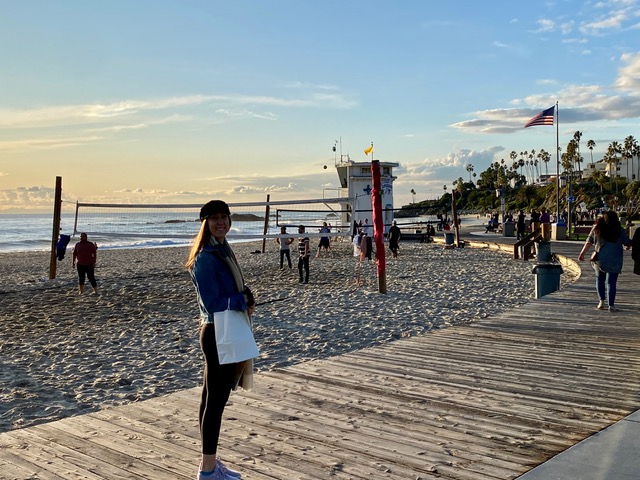
Main Beach, with its iconic lifeguard tower, is the centerpiece of this seaside town. (Of note, the lifeguard tower is one of the most photographed landmarks in Southern California.) Main Beach also houses a boardwalk, playground, beach volleyball nets and basketball hoops– all facing out towards the Pacific Ocean. A stairway near Main Beach leads to Heisler Park– a picturesque walkway high above the oceanside cliffs.

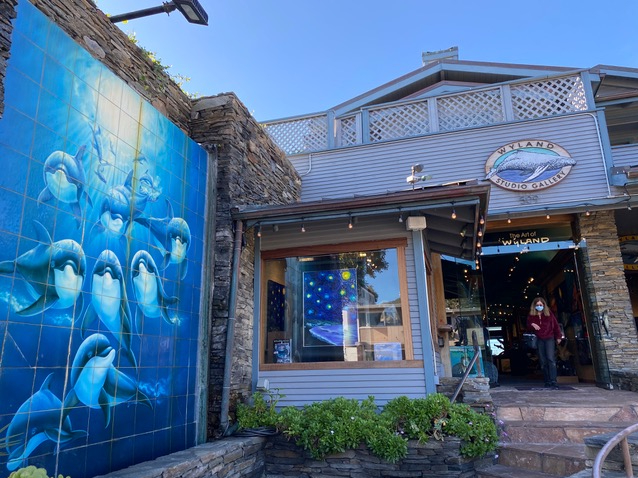
Quite by accident, our rental cottage was located in the HIP District (Short for Historic & Interesting Places,) a stretch of seven blocks along Pacific Coast Highway between Thalia & Bluebird Streets that is a hub for all things California Cool. Here, art galleries, vintage clothing stores, surf shops, funky restaurants and ocean-view rooftop bars peacefully co-exist.

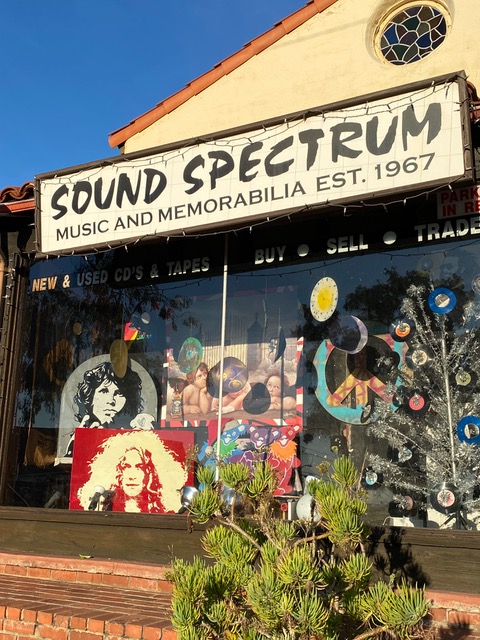
A must-see stop in this neighborhood is Sound Spectrum, THE destination for music fanatics– “spinning groovy vibes since 1967.” The cramped shop features a treasure trove of old record albums, rock & roll posters, vintage band T-shirts and other music memorabilia that owner, Jim Otto, has been collecting since the mid-60’s. Once inside, my rock ‘n roll- obsessed husband is like a kid in a candy store.

A new addition to the HIP district at the corner of Cress Street & South Coast Highway is a striking mural of former Laker, Kobe Bryant, and his daughter, Gianna, who were both tragically killed in a plane crash two years ago. The mural is attributed to graffiti artist, Hung Tran; this work transformed the artist from a former addict and ex-con to a sober and creative talent whose career has officially skyrocketed.

Another unique feature of Laguna Beach is its topography, which is distinctive among California coastal cities. Laguna boasts seven miles of coves and secluded beaches where one can explore sea caves, natural tide pools and oceanside bluffs– 30 beaches in total– from Crescent Bay and Shaw’s Cove in North Laguna to Aliso Beach at the Southern tip. At low tide, many of these tiny beaches connect into one long, beautiful sandy walkway.

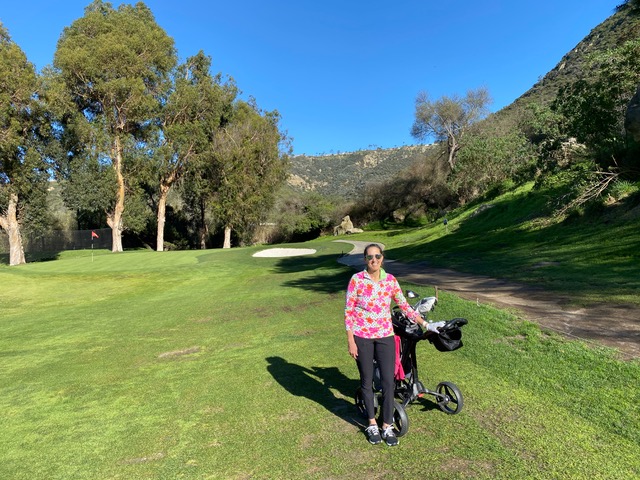
Laguna is also home to over 20,000 acres of protected wilderness and green space, which makes it ideal for hiking, biking and exploring. One of our favorite spots is The Ranch at Laguna, with its 9-hole golf course carved into the dramatic walls of Aliso and Wood canyons. The course is not a championship layout, but it is natural, lush and serene, with stunning vistas on each hole. The golf course reflects the town’s low-key personality and is disparate from a stuffy country club or manicured resort. The icing on the cake? Live music and cocktails outside on the patio, creating an inviting “19th hole” environment.

On this frigid, icy day in Connecticut, I harken back to those peaceful beach walks, hikes in the canyons and strolls through the charming town with its colorful, beachy hues. I picture myself on a rooftop perch, sipping a sunset-shaded Aperol Spritz as the sun fades over the Pacific… and, once again, I am California Dreamin’ on such a winter’s day.

The Sounds of Silence

“Listen to silence– it has so much to say.”– Rumi

Last weekend I attended a silent meditation retreat, hosted by my meditation group, Pause to be Present. This retreat promised peace and calm in a beautiful outdoor setting. I had never been on a retreat before, so I didn’t know what to expect; all I knew was that we would silent for much of the weekend. I was both excited and terrified.

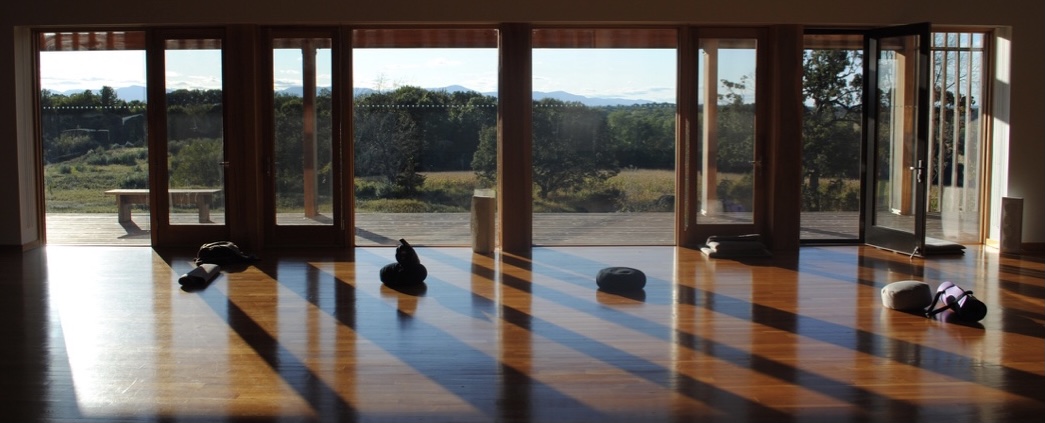
Our group of 19 women gathered late Friday afternoon at the Won Dharma Center, a 426-acre Buddhist Monastery in Clavarack, NY, set beside pristine rolling hills and panoramic views of the Catskill mountains.

While getting acquainted, we enjoyed a tasty and nutritious dinner sourced from the center’s organic garden. The chatter was lively and amiable. After dinner, we entered the meditation hall for introductions, orientation and an evening meditation. In a special ceremony, we tied red strings around our wrists. These bracelets symbolized our vow to remain silent. Later in the weekend when we broke our silence, we would cut the string. But that seemed a long time from now. We were told to avoid all eye contact and interactions with others, in order to remain alone with our own thoughts and feelings.

Next up was the list of prohibited items. Cell phones were turned off and placed in a basket for safekeeping. All other tech devices, as well as books, were banned (while reading, we are taking in other people’s ideas versus just being with our own thoughts.) The final dagger: no writing allowed. (When we write we interpret and analyze what’s happening, instead of just living it.) As a writer, this one was the toughest to swallow (I did take a few notes so I could write this blog post.)

The purpose of silence is to turn down the noise– both literally and figuratively–in order to discover what’s really going on below the surface. The goal is to exist in our experience, with no sense of time or place, eliminating the need to BE somewhere.

I thought about all of this as I slept fitfully for most of the first night in my twin bed in a sparsely furnished room; the building was aptly named Placeless Zen. I actually did feel placeless… and utterly alone. The silence was deafening. Where was Ted Lasso when I needed him most?

Finally, at 6:37 a.m., I roused myself out of bed, noting that this was my usual wake-up time for dog walking. I felt a momentary pang of worry– what if hubby oversleeps and the dog relives himself in the house? What if hubby forgets to feed the dog or give him his meds? But, after a cup of coffee and a stroll around the property, my mind settled down and I relaxed.

I found that being silent was not as difficult as I had imagined. My introverted side actually felt relieved not to have to speak or make idle conversation. My biggest challenge was not being able to make eye contact. Averting my eyes as I passed people went against every grain of my being. It was slightly less awkward with sunglasses and a mask on, but I still felt uncomfortable.

Silent mealtime was interesting. We served ourselves buffet style and spread out at the dining tables. The only sounds in the dining hall were light footsteps on the floor, the clanking of plates and the scraping of silverware. Each table held a tented sign: “Mindful Eating With Gratitude.” With no conversations and nothing to read, I found myself alone with my food. I ate slowly and deliberately and soon became fully engaged in tasting each bite. The scrambled eggs were warm, soft and buttery– utterly delicious. The crunch of my apple slice as I chewed it seemed like the loudest noise in the room. I don’t know if I’ve ever enjoyed food so much.

During our morning meditation we began an excavation to uncover our authentic selves. As we sat quietly (and uncomfortably I might add) on our cushions, I felt a shift inside of me. Some of my life layers– the “shoulds” and the stories we tell ourselves that we believe to be true– started to give way. It was a subtle shift, but it was a start.  I knew my authentic self was in there somewhere; I was hopeful that my silence could coax her out.  

In addition to meditations, we spent a lot of time outdoors. Our naturalist guide encouraged us to harness our inner child and approach the world with a sense of wonder and awe, experiencing everything with fresh eyes.

This did not come naturally to me. (no pun intended.) My first instinct was to hike quickly through the woods to get a good cardio workout. But I discovered that by following our guide’s suggestion to “walk gently like your feet are hugging the earth,” I could experience the magic of the forest. When I no longer felt like I had to go somewhere and do something productive, my senses came alive and I began to appreciate how each plant, seed and creature is meant to be there, all existing in harmony.

In the forest, we each found a special tree and created our own “sit spot.” My tree had one large trunk base and three smaller trunks coming out of the base. The tree reminded me of my two sisters. The three of us began our lives rooted together at the base, then diverged and followed our own paths; yet, we will always be united at our core. I sat quietly by my tree and breathed deeply as I honored these two special women. I was now officially a “tree-hugger.”

Midway through the weekend, the transformation began. As I watched a gorgeous sunset later that day, I dismissed the slight urge to pull out my phone and snap a photo for Instagram. Instead, I allowed my inner child to take over and simply gazed awestruck as majestic colors filled the sky.

During our evening meditation, we learned the principles of mindful communication or, in Buddhism, Right Speech. Before communicating, one must ponder several questions:

  1. Is this true?
  2. Is it useful? (Does it need to be said?)
  3. Is it kind?
  4. Is it timely?

Rarely all the answers will be affirmative. That means that most of what we say need not be said. By pausing before speaking, we can avoid reacting out of anger, frustration or impatience. Our responses will be more measured; we can then use our power of speech to spread peace and kindness.

I had planned to break my silence that evening, but I was not ready to do so. I had found comfort and safety in the silent, supportive environment and didn’t want to break the spell.  

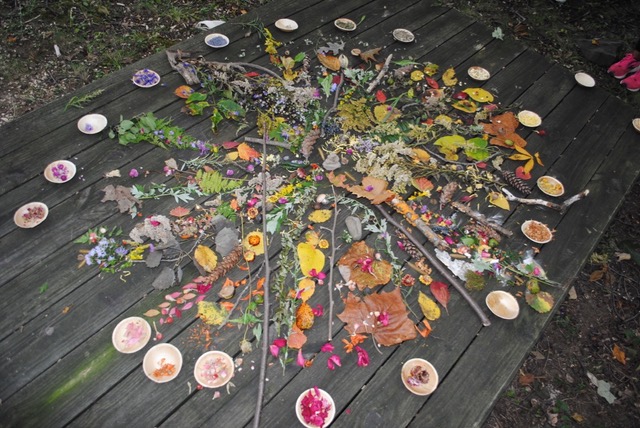
The next morning, we took another group hike and gathered objects from the woods to create a mandala– a circular art form with a central focal point and rows of natural objects extending outward. Our leader placed a small cairn in the center; then we arranged our leaves, twigs, flowers, seeds and stones in a spoke-like pattern until the wood platform was filled with a colorful display. I stood back admiring the cooperative art piece we had created.

But the real power of this team effort came next. An important part of the mandala ritual is to sweep away the art and return it to nature. The destruction of the mandala reminds us of life’s impermanence. One by one, we swept pieces of the mandala into a basket until our platform was empty. Our beloved natural objects would be returned back into the earth. It was a beautiful and emotional experience that moved me to tears.

Finally, it was time to break the silence. Our group had barely spoken to each other all weekend, and yet we had bonded so that we all felt safe, welcomed and loved. We spoke in turn, with each speaker holding the singing bowl while she shared. There were about 12 people ahead of me. Even though I wanted desperately to speak, I forced myself to sit patiently and listen mindfully. I wanted to be there fully to hear each of these women. At last, it was my turn. Here’s what I shared:

  1. Being silent was not difficult. My biggest challenge was sitting still and moving slowly. Why am I in such a rush? Where am I going? I need to enjoy the journey more and not worry so much about getting to the destination.
  2. Making eye contact and smiling at other people to let them know I acknowledge and appreciate them comes naturally to me. This is an important part of who I am.
  3. I can live without my cell phone and tech devices. It felt liberating not to have texts, calls and emails coming at me 24/7. I am more joyful living in the moment and experiencing life as it happens, rather than recording it to show/tell others. (I actually wanted to leave my phone in the basket and go home without it… but I didn’t.)
  4. When I am not speaking (or thinking about what I want to say,) I am better able to listen to others and be present for them. When I speak less, I feel more powerful and my heart feels fuller.

Postscript

It is now 10 days post-retreat and I am still wearing my red string bracelet. It reminds me not to talk so much and that, when I do have something to say, to pause before I speak, text or email. This short pause enables me to better understand my emotions and motivations and then to choose how to respond. When we talk less, we live more. And, when we do speak, the words are more meaningful because there are fewer of them.

“Open your mouth only if what you are going to say is more beautiful than the silence.”Spanish Proverb

Mindful Morning Coffee

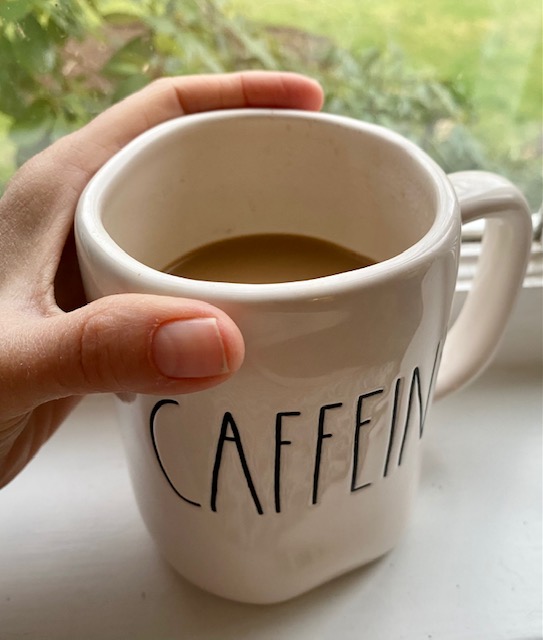
I have been a coffee drinker for as long as I can remember. This addiction probably started in college when I was, to quote my Dad, “burning the candle at both ends.” Needless to say, I cannot start my day without my cup of coffee. Until now, I had always viewed this morning coffee ritual as a means to an end– the goal being to send a quick jolt of caffeine coursing through my veins to ready me for the day. I wasn’t thinking particularly about the experience of drinking the coffee, as I was solely focused on getting that caffeine buzz as quickly as possible. 

Recently, as part of my 2021 commitment to dive deeper into meditation, I have discovered how to enjoy my coffee mindfully. I was inspired by a guided “Coffee Meditation” by Pause to be Present founder, Cheryl Brause. In this meditation, which has forever changed how I drink my morning coffee, I have learned how to be fully present with my cup of coffee and to just enjoy being in the moment.

Mindful coffee drinking may sound like an oxymoron– after all, coffee revs you up and meditation calms you down. However, as Gloria Chadwick, author of “Zen Coffee: A guide to Mindful Meditation,” points out, by focusing on your coffee– and making it a special time to meditate– it can actually help you feel peaceful and relaxed. A guided coffee meditation may sound something like this:

Feel the warmth of the smooth mug between your palms.

Let the warmth seep into your hands and radiate through your body.

Watch the steam rise from your cup.

Notice the coffee’s creamy light brown color.

Breathe in the aroma. You can almost taste it now.

Bring the mug up to your mouth, feeling the mug against your lips.

Gently, take a small sip of your coffee.

Distinguish the slightly sweet, nutty flavor. 

Feel the warm liquid on your tongue and in your mouth.

Allow this warmth to flow down your throat and into your belly.

Let the warmth and the taste of that coffee soothe you.

As you drink your coffee, take the next few minutes to just enjoy being where you are… fully present and engaged, delighting in each sip. 

“No matter what else you have to do today, no matter what has happened prior to this moment, right now you’re here. Just you and that delicious cup of coffee. Each sip is an opportunity to drop into your life right now and savor just this moment.”

– Cheryl Brause, Pause to be Present, “Coffee Meditation”

This entire experience of blissfully relishing my coffee takes less than five minutes. I find it somewhat startling how just one sip of coffee can be so powerful– how it can fill me with such profound presence and awareness. Never again will I ferociously and mindlessly inhale my morning coffee. Interestingly, with this mindful approach to morning coffee, the caffeine still awakens me and helps me begin my day, yet the way I approach the day feels different, as I am now filled with a sense of calm, thoughtfulness and gratitude. 

Savor your morning coffee (or your tea, if you’re not a coffee drinker) and savor your life… beginning with this moment, right now. Slow down and smell the coffee!

Embracing Winter

Like many who suffer from Seasonal Affective Disorder (“SAD,”) I find winter extremely challenging– a season to be endured but not necessarily enjoyed. This winter has been especially cold and snowy. Don’t get me wrong, I do enjoy sitting by a cozy fire, reading a good book and savoring warm, hearty foods. But I am mostly an active, outdoor person and I find it difficult to remain indoors for large chunks of each day. 

I wondered how those in the Scandinavian countries, who live with some of the longest, darkest winters, are consistently ranked as the happiest people in the world. Then, I discovered the research of Psychologist, Ida Solhaug, who traveled to the world’s most northernmost University in Tromso, Norway, 200 miles north of the Arctic Circle, to ponder this question. In Tromso, the sun doesn’t rise from late November through January. Dr. Solhaug found that residents of Tromso literally thrive in winter and have among the lowest rates of SAD which she attributed, in large part, to their adoption of a positive winter mind-set. Instead of dreading the season as I do, the people of Tromso people view winter as a special time of year, full of opportunities for enjoyment and fulfillment. 

Embracing winter is a hallmark of Scandinavian family life. Kids play outside at school, wearing light-reflecting vests, even when it’s dark in the daytime and snowing. Dr. Solhaug contends that even if you didn’t grow up this way, you can still cultivate a positive wintertime mind-set as an adult. A key strategy in attaining this mindset is to get outdoors. 

Most warm-weather people, this author included, literally shiver at the thought of heading outdoors in freezing temperatures. But, as Dr. Solhaug explains, “Once you’re out there, something special happens. The cold actually feels good. You feel robust and vital, and you reap the benefits of being in contact with nature.” Even short amounts of time spent outdoors can improve our mood and boost our physical and mental health. Meik Wiking, CEO of the Happiness Research Institute in Copenhagen, describes the benefits of nature as “OUTDOORPHINS.”  Simply put, people are happier when they are outdoors, assuming, of course, they are dressed appropriately.

With this backdrop, coupled with the knowledge that I always feel best when I am outdoors, I challenged myself to bundle up, get outside more and embrace winter– Scandinavian style. Here’s what happened…

Winter Adventure #1: Pond Skating. During a long stretch of bitter cold in January, all our neighborhood ponds and lakes froze, a rare occurrence in our region. During one very special weekend, a group of neighbors gathered to ice skate on one of the frozen lakes. Children and adults of all ages laced up skates, grabbed hockey sticks and frolicked on the ice, as spectators listened to music and drank hot chocolate. Neighbors chatted amiably and smiled joyfully at each other as we took in this magical real-life Norman Rockwell scene. 

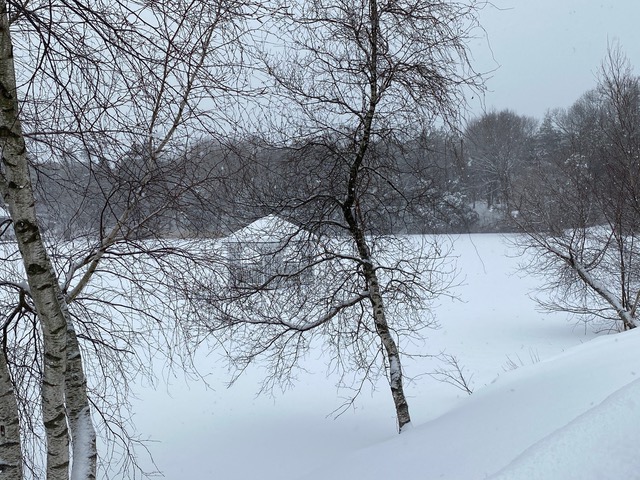
Winter Adventure #2: Snow Day & Doggie Play. The next day, mother nature gifted us with a huge snowstorm in the Northeast– two feet of snow blanketed the streets, lawns and woods all around our house. I let the serenity of this winter wonderland envelop me, losing myself in the white vastness.

“Snow brings a special quality with it… the ability to stop life as you know it dead in its tracks.”

––Nancy Hatch Woodward

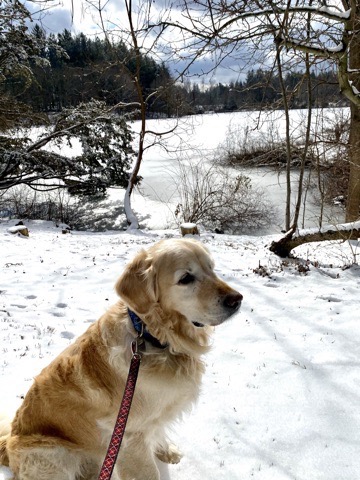
I took the dog outside to play. He frolicked animatedly, hopping like a bunny over the deep snowdrifts, rolling contentedly on his back and making doggie snow angels. I smiled at my pup’s childlike bliss as he played, reminiscing about my young children building snowmen, throwing snowballs and making snow angels. Pure, spontaneous and carefree play. My frenzied dog burrowed his entire head in the snow, then came flying out and shook his body, causing a cascading avalanche. And, for a few brief moments outside with my dog, I recaptured the simple wonder of a snow day. 

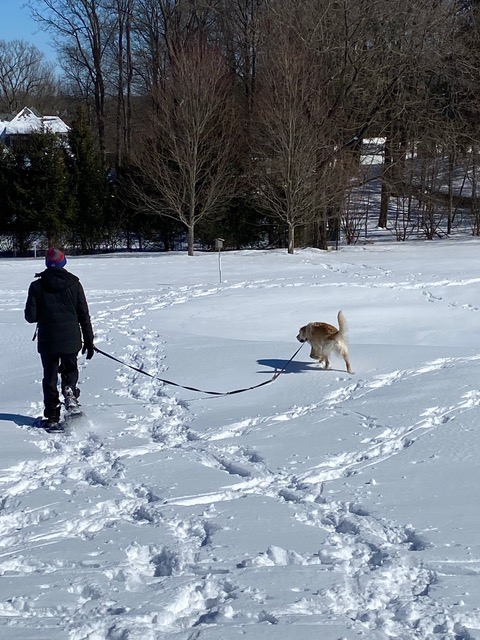
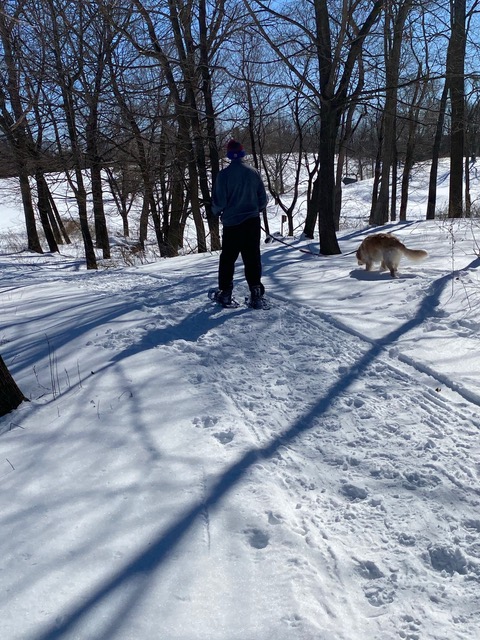
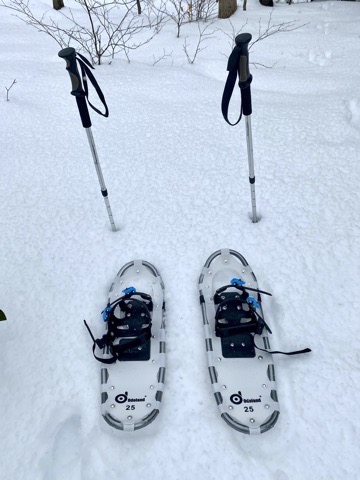
Winter Adventure #3: Snowshoe Hiking. For hiking enthusiasts like me, snow shoeing is a perfect winter sport that combines beautiful scenery, solitude and great exercise.  It is inexpensive, easy to learn and far gentler on the body than skiing or snowboarding. You can snowshoe virtually anywhere– in the woods or in a nearby park, field or across a golf course. This winter, I’ve caught the snowshoe bug. Each time I venture out, my senses are heightened. Trekking across our regular golf course, I am awed by the views and new perspective I have of the once-familiar golf holes, looking so different now glazed in white. Snowshoe hiking is always a rigorous workout, and even my husband (who does not like to work out) finds it fun and invigorating.

Winter Adventure #4: Lake Walk. One morning, after yet another snowfall, I walked around our favorite neighborhood lake. The sun shone brightly, illuminating the dazzling snow-covered trees. I relished this winter sun, which warmed my soul. I breathed in the fresh air and felt the cold burn my lungs. My cheeks flushed with the sting of winter. Still, I felt energized. My furry companion was enjoying himself as well, trotting along with wagging tail, stopping occasionally to burrow his head underneath the snow. We walked side-by-side in silence, one set of footprints, one set of pawprints, making fresh tracks in the powdery snow.

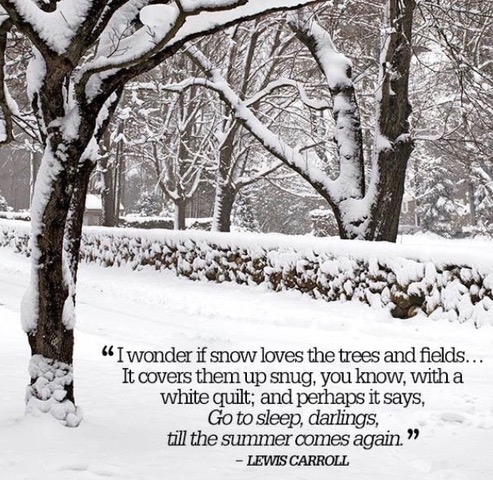
Embracing winter has reminded me that there are wonderful, magical moments in wintertime. But, as the days get shorter and the temperatures drop, it is easy to lose sight of the hope we felt as kids waking up on a snow day…. In adulthood, I am learning how to rekindle this wonder and revel in the joy of winter by shifting my perspective, as Lewis Carroll suggests.

As of this writing, there are 24 days remaining until spring. Until then, I will continue to embrace winter as best I can.

Dry January

What a long, strange month it’s been. If ever we needed a reason to drink, January 2021 supplied it. 

Like many Americans living through the Covid pandemic, I frequently turned to alcohol to help numb life’s stress and uncertainties. While alcohol quickly relaxed me, the peace and calm were short-lived. My sleep was fitful, my morning headaches more frequent. I felt bloated and unhealthy, though it was not always apparent, as I was mostly wearing sweatpants. I convinced myself that I needed to drink to stay sane. 

Enter Dry January. The annual tradition of abstaining from alcohol during the first month of the new year began in 2012 as an initiative by Alcohol Change UK, a British charity, to “ditch the hangover, reduce the waistline and save some serious money by giving up alcohol for 31 days.” Millions of people now accept the challenge, with more Americans partaking each year. 

For some, it’s a New Year’s resolution; others claim it’s a way to “detox” after the excesses of the holidays. Dry January was especially appealing this year, following the isolation, anxiety and loneliness of 2020, during which a majority of Americans upped their drinking to deal with pandemic-induced stress. A recent Nielsen poll found 13% of Americans participating in Dry January. 79% of participants attributed the decision to a desire for improved health; 72% said they were trying to drink less alcohol in general; 63% wanted to “reset” their drinking and 49% said they had been drinking too much during the pandemic. 

Having checked off all of these boxes, I determined that it was time to take a break and committed to a month-long hiatus from alcohol. I was psyched! 

On January 1st, I faced my first challenge. My husband and I were enjoying an outdoor dinner capping off our stay in Florida before our long drive home. As margaritas, mojitos and chilled glasses of white wine passed our table, I felt an intense urge for a drink. This was exacerbated by my husband’s ordering a gin & tonic (my go-to quarantine drink.) How could I stay dry for a month if I couldn’t make it through one dinner? Fortunately, my resolve won out and I ordered a seltzer with lime. Day one was in the books. 

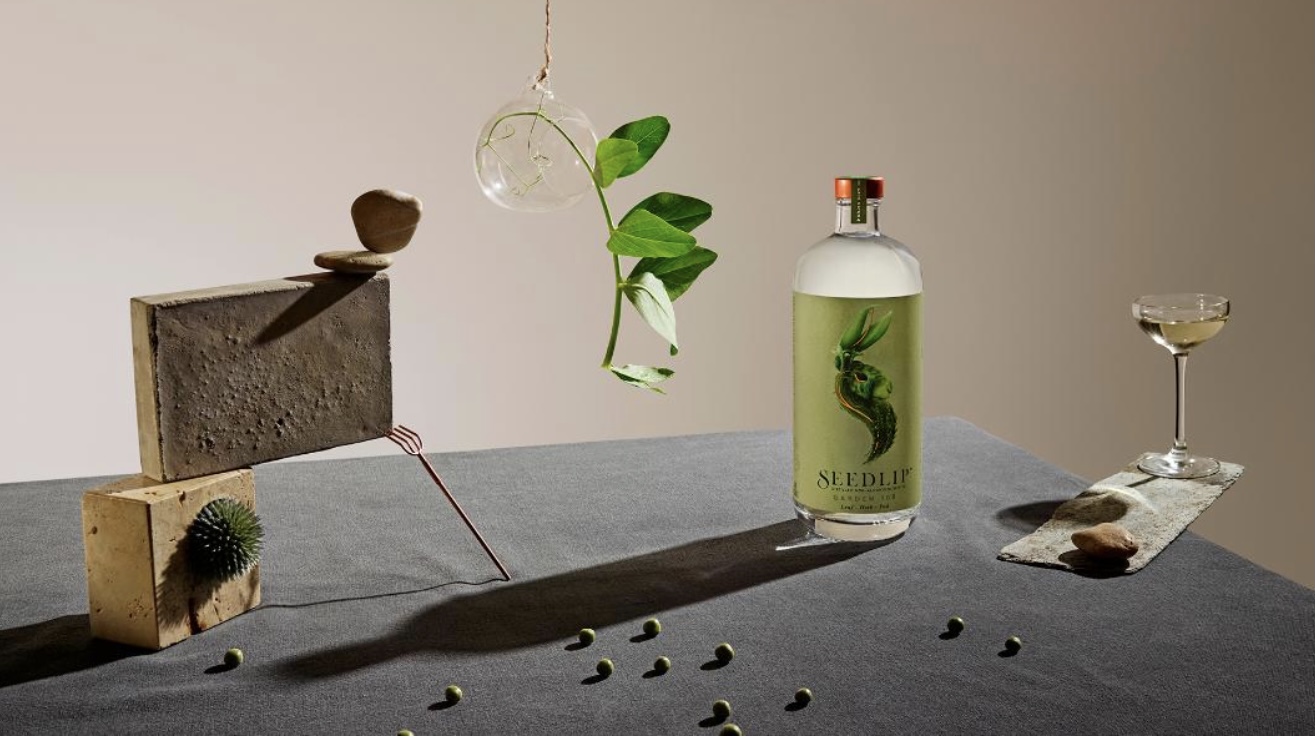
I soon realized that I needed an alternative to alcohol– something fun that I could enjoy like a cocktail. Almost as soon as the thought hit me, I was greeted with a flurry of Instagram and Facebook ads for beverages like Seedlip (“the first distilled non-alcoholic spirit”,) Monday Gin (“a non-alcoholic gin,”) St Pauli Girl NA and Heineken 00. Who knew there was an entire product category of non-alcoholic adult beverages? I promptly ordered a bottle of Seedlip and purchased a six-pack of non-alcoholic beer. Although I’m not really much of a beer drinker, the non-alcohol beer tasted pretty good. (Side note: I wondered whether zero-alcohol beer gives you a beer belly… I did not want to find out.)

Meanwhile, on January 6th (our first full day home from Florida,) insurrectionists stormed the US Capitol. Additional political upheaval and the deadliest month to-date of Covid followed. My anger, fear and distress were compounded by personal challenges with Seasonal Affective Disorder (“SAD,”) which always rages during January– our coldest and darkest month. Suffice it to say, there were many days during January when I really craved a drink.

But somehow, I kept calm, sipped my original Seedlip cocktail (mixed with elderflower tonic, soda & lime juice) and carried on.

Today is January 31st. In a few hours, I will have survived Dry January. Not only am I proud of this accomplishment, but also, I have learned a lot about my relationship with alcohol and how it affects me. During the past month, I have slept better without alcohol interrupting my sleep cycle; I have also awakened with greater mental clarity, without the lingering headache that wine, especially, can give me. I feel less bloated and healthier overall. I believe it is important to listen to the messages our bodies send us– and mine is telling me that it feels better without alcohol. And I am not alone. 

A research study from the University of Sussex in the UK found that partaking in Dry January improves life in many ways. The study, led by Psychologist Dr. Richard de Visser, surveyed more than 800 Dry January 2018 participants. The respondents were still drinking less in August, seven months later. Additionally, participants realized other important benefits:

  • 93% felt a sense of achievement
  • 88% saved money
  • 80% felt more in control of their drinking
  • 71% slept better
  • 70% had improved health
  • 67% had more energy
  • 58% lost weight
  • 57% had better concentration
  • 57% had better skin

I enjoy drinking, but am now confident I can go a month without it. Dry January has been a good way to “sample sobriety” without being overwhelmed by the concept of never having another drink. I like how my body and mind feel and realize that a dry week or month is worth doing from time to time.

Beginning tomorrow, I think I’ll take a page out of TODAY anchor, Savannah Guthrie’s, book and try for a Dry-ish February. Drier than December, but a little less dry than January– the overall goal being to consciously drink less, without giving up alcohol altogether. 

Now, what better way to close out the cold, wintry, tumultuous month of January 2021 than with a nice, hearty bowl of turkey chili and an iced cold Heineken 00? Cheers!!

Kindness

Two days ago, we observed World Kindness Day. Here are a few thoughts about Kindness and how it can profoundly impact our lives. Especially now.

World Kindness Day was introduced in 1998 by a coalition of non-profit organizations and is celebrated internationally on November 13th. Its objective is to highlight good deeds in the community, focusing on the positive power of Kindness. Kindness is a fundamental aspect of the human condition. It bridges all divides–– race, religion, politics, gender and zip codes. Kindness is contagious; even the smallest acts can ripple and create a far-reaching wave of change. 

Kindness does not come naturally to everyone and some of us need an occasional reminder. This must be why Ellen Degeneres always ends her show with the mantra: “be kind to each other.” Once we are kind to each other, as Ellen urges, we realize how simple it is. Without going very far out of our way, we can do something nice for someone else and have a huge impact on another’s life…. sometimes without even realizing it. And, that act of kindness benefits both the recipient and the giver. 

THERE’S NO SUCH THING AS A SMALL ACT OF KINDNESS. EVERY ACT CREATES A RIPPLE WITH NO LOGICAL END.”

––Adam Scott

Many people go about their day with a smile plastered on their face, while underneath that seemingly happy exterior, they may actually be hurting, grieving, anxious or depressed. The smallest act of kindness from a stranger can change the entire trajectory of that person’s day or even life. But most of us are too caught up in our own daily grind to consider how a random stranger is feeling.

I suggest practicing Kindness and making it a habit. Being kind is actually quite easy and, once we do it regularly, it becomes our natural way of being. Then, those we have been kind to are likely to “pay it forward” and, little by little, Kindness will becomes the rule rather than the exception.

According to WMBGKind, a kindness initiative in Williamsburg, VA, there are five key components of kindness:

1. No act is too small— Whether it is holding a door for someone, smiling as you pass someone on the street or just being polite, acts of kindness come in all sizes.

2. There is no price on kindness— Kindness doesn’t have to cost money. Writing a note of encouragement or taking time to listen to someone can go such a long way. 

3. Kindness is inclusive—Kindness transcends demographics, race, religion and socioeconomic status. It is always an equal opportunity gift.

4. Kindness makes us better, together— Being kind to others creates a stronger sense of community, changing the way we see ourselves, our neighbors, and helps focus us more on our similarities than our differences.  

5. Kindness literally changes people— Giving makes us more empathetic and generous in our assumptions about others, thus enabling us to become more selfless and humble.

Yesterday, I comforted a tearful little girl who had fallen off her scooter. My golden retriever, Casper– who happens to be a pet therapy dog– and I approached the girl and asked if she wanted to pet Casper. Casper sat calmly while the girl stroked his fur… she hesitatingly smiled a little, then broke out into a full grin as she exclaimed: “he’s so soft and cuddly!” This small kindness undoubtedly made this young stranger’s day better and it also filled me with joy. I felt grateful that I was able to help someone else. (Casper was pretty happy too.) This is the power of kindness. I’ll close with one of my favorite quotes:

“DO THINGS FOR PEOPLE NOT BECAUSE OF WHO THEY ARE OR WHAT THEY DO IN RETURN, BUT BECAUSE OF WHO YOU ARE.”

––Harold Kushner, Rabbi & Author
Neighborhood sign with a universal message

Morning People

We have all heard the adage: “the early bird catches the worm.” I am not particularly interested in catching worms, but I am–and always have been– a morning person. Even as a teen and college student, when I stayed out until the wee hours, I still never recall sleeping in. Neither my husband nor my children are morning people. I think they are annoyed by my early morning perkiness as they drag themselves out of bed, bleary-eyed and exhausted.

My alarm clock each morning is our beloved golden retriever, Casper, who is most definitely a morning being. Every day at 5:45 am, I hear faint whining and, with one eye open, I pat the mattress, inviting Casper to join us. He happily jumps up on the bed, then snuggles in next to me to doze. This usually buys me an extra half hour, but I never descend fully back into sleep.

By 6:15 am, Casper and I are ready to rise. I wash up, brush my teeth, throw on a pair of sweats and we head downstairs. I let Casper outside and he runs crazy, high-energy loops around the backyard. I turn on the Keurig. While Casper eats his breakfast, I drink my coffee. That first sip of java, sweetened with almond milk creamer, is my single favorite moment of the day.  I savor it.

As the caffeine courses through my veins, I feel a “jolt” and immediately feel ready to attack the day with enthusiasm. Friends and family members who are not morning people will never understand the immense and complete pleasure I feel in this moment…

It is quiet and peaceful at this hour. The world is undisturbed. Despite all the events that happened yesterday, no matter how dismal life seemed, today the slate is wiped clean and we have a chance to begin anew. In my meditation class last week, we discussed the phenomenon of looking at the world through a “beginner’s mindset.” This means approaching life without expectations or judgment, but rather with openness, wonder and possibility. In the early morning hours, before the world comes to life, I believe that anything can happen today. Every moment represents a new beginning.

I am energized, both physically and mentally, in the morning. I try to exercise early in the day, while the adrenaline is flowing. Morning is my best time to think and to write. It is usually at this hour when I enter that exhilarating creative “zone,” where I happily discover that my musings write themselves: words effortlessly flow out of my brain and onto the page.

The only downside to being a morning person is that by 9 pm, I am struggling to keep my eyes open. As I doze through whatever program we are watching, my husband, ever the night owl, is wide awake and reading, usually until after midnight. This works for him because he won’t be up at 5:45 am with the dog.

In fact, by the time my husband awakes, I feel incredibly accomplished. I have fed and walked Casper, meditated, caught up on emails and social media, done a load of laundry, taken a 3-1/2 mile run, made a grocery list, watched the news, talked to a close friend (who is also a morning person) and written this blog post. I could probably use a midday nap at this point, but sadly, I am incapable of napping, unless traveling in a car or airplane. Nonetheless, I relish being a morning person and would not have it any other way.

Screen Shot 2020-10-19 at 8.18.53 AM

It is 10 am. What have you done so far today?

Lake Life

My husband and I are lake people. Our spirits are most alive here; our souls are at peace. We are relaxed, yet invigorated. This quintessential balance allows us to be our best selves.

migissunsetPerhaps this lakeside love affair began in our youth, as we both attended sleepaway camp in beautiful, idyllic lake settings. We now own a camp on a quiet lake in Massachusetts. We have spent the past 25+ years vacationing in the lakes region of Maine. This summer we have rented a house on Moose Pond in Bridgton, Maine, which feels like the perfect pandemic antidote.

As we near the end of our lakeside sojourn, I have been contemplating what, specifically, about the lake I find so appealing. As I write these musings from our screened-in porch, I soak in panoramic views of the lake, still covered in early morning fog. By 7:30 am, the fog will lift and the far shoreline, capped by Pleasant Mountain, will be visible.


I take it all in. The tall pines surrounding our property, blanketing pathways with their soft needles. The lake is a flat sheet of glass– ideal water ski conditions. The hammock rests invitingly under a nearby shady tree. I listen to the sounds of morning: the birds softly chirping, gentle waves lapping the shore and the whir of an occasional motor boat. My husband is out on an early fishing excursion and the rest of the household is sleeping. The world is still. I am breathing in solitude, serenity and peace. The lake provides a natural meditation.

IMG_1928

The lake is like glass in the early morning…

I enjoy quiet time reading in my dockside chair and lazily watching the boats pass by. As the day wears on, I will partake in the plentiful activities at our doorstep: canoeing, kayaking, stand-up paddle boarding, water skiing, swimming, cruising in the pontoon. It is a full, active day on the lake. I am energized.

The water is crystal clear, cool and refreshing. You can see straight through to the bottom of the lake where soft sand, smooth rocks and moss hug the floor. A swim in this fresh water invigorates– cleansing body, mind and soul.

As pristine as the lake is in early morning, it is even more majestic at night. In the evening, the rippling waves shimmer in the moonlight as loons cry out from across the water. We toast marshmallows in the campfire, tell stories, sing songs. It is magical. I cling to the joyful spirit and blissful calm that this setting instills in me. I am exactly where I need to be.

IMG_1857

Moose Pond at sunset (unfiltered)

I close my eyes and deeply inhale the familiar and comforting pine scent. I feel the caress of a gentle breeze off the water as my soul stirs with profound gratitude. Welcome to the lake life.

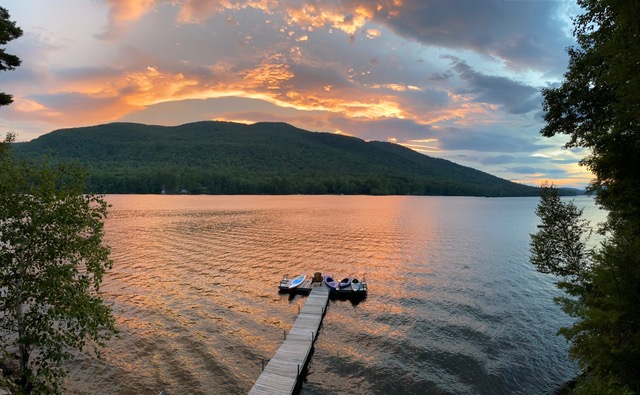
Of note… the photo depicted on The Nest Re-Imagined cover page was taken on Sebago Lake in South Casco, Maine, about ten years ago, at sunset.